


Seasonal wedding catering is defined as the practice of building a wedding menu around ingredients at their peak harvest, flavor, and local availability for the time of year. How wedding catering reflects season goes far beyond swapping strawberries for pumpkin. It shapes the entire dining experience, from the style of service to the visual presentation on each plate. Seasonal menus taste fresher, look more vibrant, and often cost less due to ingredient abundance. When your menu aligns with the season, every dish tells guests exactly when and where they are celebrating.
How wedding catering reflects season through each time of year
The industry term for this approach is seasonal menu design, and it operates on one core principle: ingredients at peak harvest deliver superior flavor, color, and texture. Seasonal menus improve ingredient quality, enhance vibrancy, and reduce costs by using produce at its absolute best. Each season brings a distinct culinary personality, and understanding those personalities is the foundation of great wedding menu planning.
Spring: light, fresh, and citrus-forward
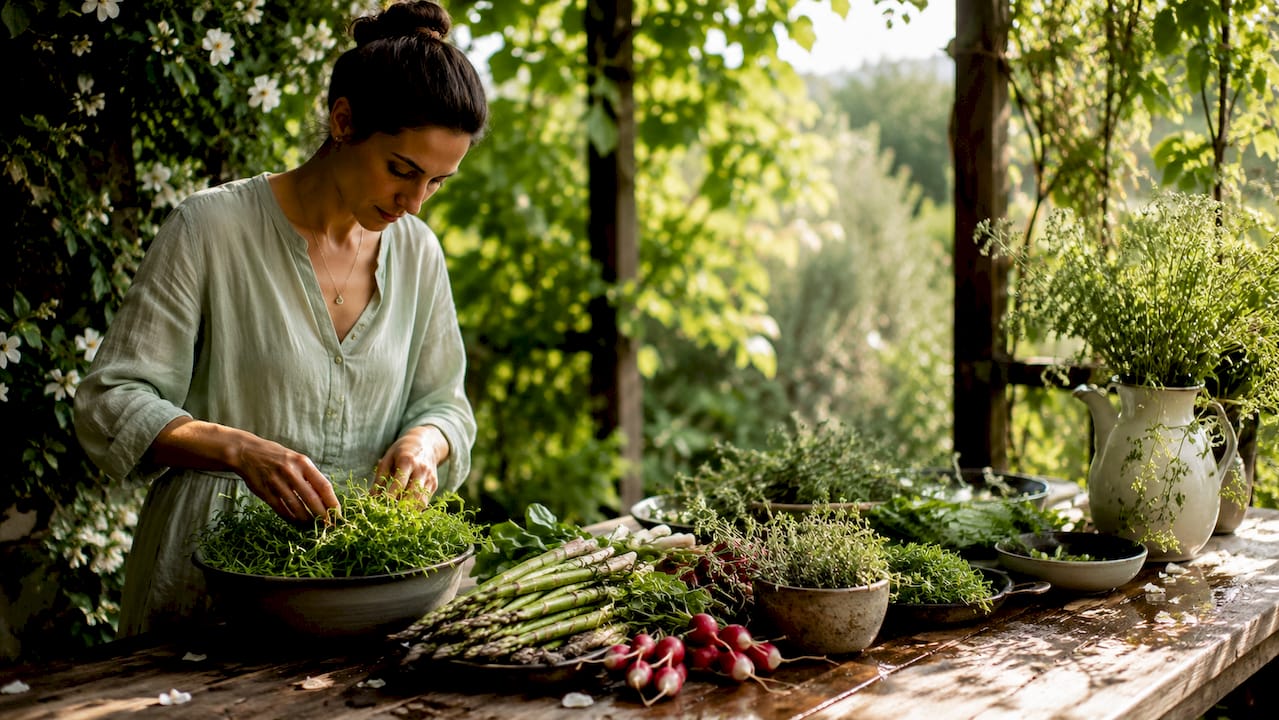
Spring weddings call for menus that feel alive and bright. Think fresh pea shoots, asparagus, radishes, and herbs like tarragon and chive. Signature dishes include lemon ricotta crostini, spring pea soup shooters, and herb-crusted lamb with roasted baby carrots. Light vinaigrettes replace heavy cream sauces, and citrus notes run through everything from the appetizers to the dessert course.
Summer: grilled, refreshing, and interactive
Summer menus center on stone fruits, heirloom tomatoes, sweet corn, and fresh basil. Grilling stations are a natural fit because they add theater and aroma to outdoor receptions. Watermelon and feta skewers, grilled peach salads, and chilled gazpacho are crowd favorites. Summer menus should avoid messy, hard-to-eat foods for guests in formal attire, so finger foods need to be clean and elegant.
Autumn: roasted, spiced, and harvest-rich
Autumn is the most dramatic season for wedding food. Root vegetables like butternut squash, parsnips, and beets take center stage, roasted and caramelized to bring out deep, earthy sweetness. Warm spices such as cinnamon, nutmeg, and smoked paprika appear in everything from soup courses to glazed proteins. Signature autumn dishes include braised short rib with celeric puree, roasted beet salad with candied walnuts, and spiced apple tart.
Winter: warming, rich, and comforting
Winter wedding menus prioritize warmth, both literally and emotionally. Rich sauces, slow-braised meats, and hearty soups create a sense of comfort that guests remember. Truffle risotto, beef Wellington, and butternut bisque with crème fraîche are classic choices. Winter dishes focus on warmth visually and emotionally, making the dining experience feel like an extension of the celebration’s intimacy.

Pro Tip: Build your seasonal menu around two or three hero ingredients that define the time of year. Every other dish should support those anchors rather than compete with them.
Do seasonal menus actually save money and support sustainability?
Locally sourced, seasonal ingredients are now standard expectations in catering due to sustainability and provenance demands from modern couples. This shift is not just ethical. It is financial. When produce is in peak season locally, supply is high and transportation costs drop. Your caterer spends less, and that saving can flow directly into your budget for other priorities.
The sustainability case is equally strong. Choosing seasonal ingredients for weddings reduces the carbon footprint of your event by cutting long-haul freight and cold-storage energy. Couples who prioritize eco-conscious choices find that a farm-to-table approach resonates deeply with their guests and reflects their values as a couple.
Here is what the impact of season on wedding food looks like in practical terms:
- Cost efficiency: Peak-season produce costs less per unit because supply outpaces demand. Your caterer can offer higher quality at the same price point.
- Flavor quality: Ingredients harvested at peak ripeness require less manipulation. A ripe August tomato needs no sauce. A January hothouse tomato needs a lot of help.
- Supplier relationships: Caterers rely on strong supplier relationships to ensure consistent seasonal supplies. Ask your caterer which local farms or purveyors they work with regularly.
- Guest perception: Guests notice freshness even when they cannot articulate why. A vibrant spring salad with just-picked herbs creates a sensory impression that frozen or imported alternatives simply cannot match.
- Brand alignment: For couples who care about provenance, a seasonal menu is a statement. It communicates thoughtfulness and intentionality.
“Seasonality is used to tell a story about the event’s time and place, making the meal feel intentional.” — Wedding Catering Trends for 2026
Desertdine sources locally across the Greater Palm Springs area, working directly with regional producers to build menus that reflect both the season and the desert’s unique agricultural calendar. You can explore the philosophy behind that approach in this guide on local sourcing for catering.
What practical strategies create a balanced seasonal wedding menu?
Seasonal catering is a complex strategy affecting not only menu content but also service pacing and guest comfort. The most common mistake couples make is trying to feature every seasonal ingredient available. Restraint produces a more memorable result. Follow these steps to build a menu that feels cohesive and intentional.
-
Identify 2–3 culinary highlights. Focus menus on 2–3 standout culinary moments reflecting the season. These become the dishes guests talk about at the reception and remember for years. Everything else on the menu supports these anchors.
-
Match the menu style to your attire and climate. A black-tie summer wedding in Palm Springs calls for chilled courses, light proteins, and refreshing passed hors d’oeuvres. A winter barn wedding calls for warm plated courses and rich, slow-cooked proteins. Seasonal planning influences service flow, including cold hors d’oeuvres in warm weather and hot plated courses in winter.
-
Build in dietary inclusivity without losing seasonal integrity. A roasted autumn vegetable board works beautifully for vegan guests while fitting the harvest theme. A chilled summer gazpacho is naturally gluten-free. Balance between seasonal indulgence and guest nourishment is critical to menu success across dietary needs.
-
Plan for ingredient substitutions. Expert caterers build seasonal flexibility into menus via core styles allowing ingredient substitutions for harvest or weather variability without affecting the event vision. Ask your caterer how they handle late-season shortages or unexpected crop issues.
-
Align service timing with the season. Summer receptions often benefit from a cocktail hour with light passed bites before a seated dinner as the sun sets and temperatures drop. Winter receptions can open with a warming soup station that doubles as a guest gathering point.
Pro Tip: When reviewing your seasonal wedding menu with your caterer, ask them to name the specific farms or suppliers providing each hero ingredient. That conversation reveals how deeply they understand seasonal sourcing and how prepared they are for variability.
For a deeper look at how menu styles map to each season, the 2026 wedding menu planning guide from Desertdine covers popular dishes and components by time of year.
How do booking timelines affect seasonal catering quality?
Securing the right caterer for your season is a logistics decision, not just a preference. Popular wedding dates require booking caterers 9–14 months or up to two years ahead to secure venue and menu preferences. Top catering teams fill their calendars fast, especially for peak spring and autumn dates.
Early booking delivers more than just availability. It gives you time to develop a menu collaboratively rather than choosing from a fixed package. Luxury wedding menus are curated collaboratively based on seasonality, venue logistics, and guest count rather than rigid packages. That customization is only possible when your caterer has enough lead time to source ingredients, conduct tastings, and refine the menu.
Here is what early engagement unlocks for your seasonal catering choices:
- Multiple tasting sessions to refine dishes before the wedding day
- Supplier coordination so your caterer can lock in preferred local producers for your specific season
- Menu flexibility to adjust based on what is actually growing and available closer to your date
- Seamless venue integration so service flow, kitchen logistics, and timing all align with your event program
Choosing seasonal catering late in the planning process forces your caterer into rigid, pre-set options. The best seasonal menus are built over months of conversation between the couple, the caterer, and the suppliers. Start that conversation early.
Key takeaways
A wedding menu built around seasonal ingredients delivers better flavor, lower costs, and a more meaningful guest experience than any generic package can offer.
| Point | Details |
|---|---|
| Seasonal menus taste better | Peak-harvest ingredients require less manipulation and deliver superior flavor and color. |
| Sustainability drives real savings | Local, in-season produce costs less and reduces the carbon footprint of your event. |
| Restraint creates impact | Focus on 2–3 hero seasonal dishes rather than featuring every available ingredient. |
| Book early for full customization | Securing your caterer 9–14 months out allows collaborative, flexible menu development. |
| Service flow is part of the season | Cold hors d’oeuvres in summer and warm plated courses in winter shape the entire guest experience. |
Why seasonality is the most underused storytelling tool in wedding planning
I have worked alongside couples and event organizers long enough to notice a consistent pattern. The weddings guests remember most are the ones where the food felt like it belonged to that exact moment in time. Not a generic buffet that could have appeared at any event in any month. A menu that tasted like that Saturday in October, or that June evening in the desert.
Most couples spend months choosing flowers, linens, and lighting to reflect their season. Then they hand the menu over to a caterer and accept whatever package is offered. That disconnect is the most common missed opportunity I see in wedding planning.
Seasonality in catering is not just about using fresh produce. It is about intentionality. When a guest bites into a roasted fig and prosciutto crostini at an autumn wedding, they are not just tasting food. They are tasting the decision you made to honor the time of year. That is the kind of detail that turns a dinner into a memory.
The pitfall I see most often is couples waiting too long to engage their caterer in a real menu conversation. By the time they get around to it, the caterer is working with limited lead time and limited options. The result is a menu that is fine but forgettable. Start the seasonal conversation on day one of your planning process. Your guests will taste the difference.
— James
Desertdine’s seasonal wedding catering in palm springs
Desertdine builds every wedding menu around the season, the venue, and the couple’s story. The team works directly with local producers across the Greater Palm Springs area to source ingredients at their peak, creating menus that feel fresh, personal, and genuinely reflective of the time of year.
Whether you are planning a spring garden reception in Rancho Mirage or a winter celebration in Palm Desert, Desertdine’s culinary team collaborates with you from the first tasting to the final course. Explore the full range of wedding catering services and see how a seasonally inspired menu transforms your celebration. Ready to start planning? Visit Desertdine to request a custom quote for your wedding date.
FAQ
What does seasonal wedding catering actually mean?
Seasonal wedding catering means building your menu around ingredients that are at peak harvest and local availability during your wedding month. The result is fresher flavors, better presentation, and often lower ingredient costs.
Which season offers the best wedding menu options?
Every season offers distinct and compelling options. Spring and summer favor light, fresh, and interactive menus, while autumn and winter deliver rich, warming dishes with deep flavors. The best season is the one that matches your wedding date and personal taste.
How far in advance should i book a seasonal caterer?
Book your caterer 9–14 months ahead for popular wedding dates, and up to two years ahead for peak spring and autumn seasons. Early booking allows collaborative menu development and supplier coordination.
Can seasonal menus accommodate dietary restrictions?
Yes. Many seasonal ingredients are naturally gluten-free, vegan, or allergen-friendly. A skilled caterer designs the seasonal menu so that dietary accommodations feel like part of the theme rather than afterthoughts.
Does a seasonal menu cost less than a standard package?
Seasonal menus often cost less per ingredient because peak-harvest produce is abundant and locally sourced. That said, total cost depends on guest count, service style, and menu complexity. Ask your caterer to show you the cost difference between seasonal and off-season ingredient options for your specific date.
Recommended
- Desert Dine Catering |Wedding Catering Menu Styles: Your 2026 Planning Guide• Palm Springs & Coachella Valley
- Desert Dine Catering |Wedding Catering Menu Styles: Your 2026 Planning Guide• Palm Springs & Coachella Valley
- Desert Dine Catering |How to Pair Catering with Your Wedding Theme• Palm Springs & Coachella Valley
- Desert Dine Catering |How Catering Trends Shape Hospitality Menus in 2026• Palm Springs & Coachella Valley


