


Every event host in the Greater Palm Springs area knows the pressure: you have one chance to make a lasting impression on guests, stakeholders, or a couple celebrating the most important day of their lives. The catering experience sits at the center of that impression. Get it right, and guests leave raving. Get it wrong, and even the most stunning venue fades from memory. This guide walks you through exactly how to prepare, present, and confirm catering options so that every client feels confident, excited, and fully supported from the first conversation to the final bite.
Table of Contents
- Understand your client’s needs and event vision
- Prepare your catering options and proposal
- Present catering options with confidence and clarity
- Confirm agreements and ensure flawless execution
- What most hosts overlook when presenting catering options
- Make your next event unforgettable with expert catering
- Frequently asked questions
Key Takeaways
| Point | Details |
|---|---|
| Start with client vision | Clarifying event goals and guest needs is critical to a successful catering presentation. |
| Detail proposals clearly | A transparent, itemized proposal builds trust and avoids last-minute surprises. |
| Make presentations interactive | Tastings and visual aids help clients see and taste what their event will offer. |
| Secure agreements early | Timely contracts and deposits protect both client and caterer and ensure smooth execution. |
| Focus on exceptional service | Personalization, open feedback, and follow-through create memorable guest experiences. |
Understand your client’s needs and event vision
Once you appreciate the importance of matching catering to your client’s goals, your process begins with active listening and discovery. Before you suggest a single menu item, you need a clear picture of what the event is meant to achieve and who will be in the room.
Start by clarifying the event type. A wedding reception calls for a very different tone than a corporate product launch or an intimate private birthday dinner. Each occasion carries its own expectations around service style, ambiance, and culinary sophistication. Understanding this distinction upfront saves time and builds trust.
Next, gather the essential details:
- Guest count and demographics: Are you serving 30 executives or 200 wedding guests? Age range, cultural backgrounds, and dietary lifestyles all shape your menu direction.
- Dietary needs and restrictions: Gluten-free, vegan, kosher, nut allergies. Knowing these early prevents last-minute scrambles and shows genuine care.
- Service style expectations: Does the client envision a formal seated dinner with multiple courses, or a relaxed cocktail reception with interactive food stations?
- Venue and logistics: Outdoor desert venues in Palm Springs present unique considerations like heat, wind, and limited kitchen access that affect menu planning.
- Inspiration and past experiences: Ask what they loved or disliked at previous events. This is gold for tailoring your proposal.
For corporate clients specifically, it is essential to understand their preferences, match service to event tone (formal plated versus casual stations), and prioritize elegant presentation with branding opportunities. A tech company hosting a product reveal may want sleek, minimalist food stations that reinforce their brand identity. A law firm hosting a client appreciation dinner may want white-glove plated service that signals prestige.
Pro Tip: Create a simple one-page discovery questionnaire you send to every new client before your first call. It signals professionalism, saves time, and ensures you arrive at the conversation already informed.
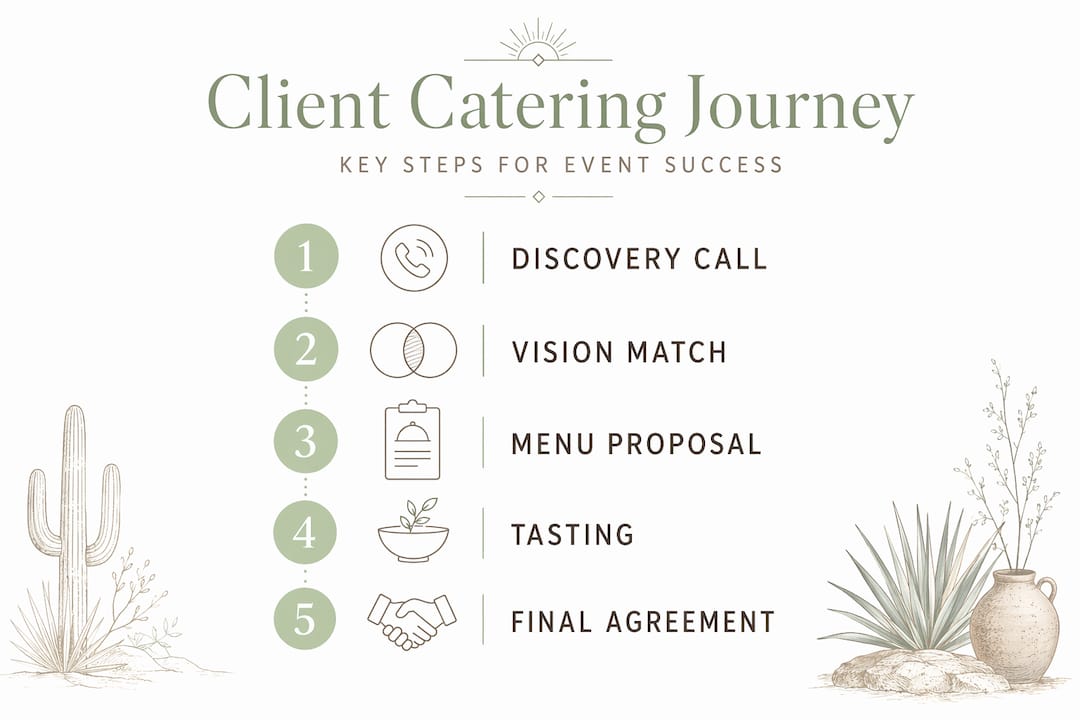
When you approach custom catering for events with this level of intentionality, you position yourself as a true partner rather than just a vendor. Clients notice the difference immediately.
Prepare your catering options and proposal
Armed with your client’s desires, turn those insights into a winning proposal with the right mix of creativity and clarity. A polished, well-organized proposal is one of the most powerful tools in your catering toolkit.
Here is a step-by-step approach to building a proposal that converts:
- Lead with a curated menu selection. Offer two or three distinct menu styles, such as a formal multi-course plated dinner, a themed food station setup, and a farm-to-table family-style option. Give clients meaningful choices without overwhelming them.
- Highlight seasonal and local ingredients. In the Coachella Valley, locally sourced produce and regional flavors are a genuine selling point. Clients appreciate knowing their menu reflects the place and the season.
- Break down pricing clearly. Itemize costs by menu tier, staffing, rentals, and service fees. Transparency here builds confidence and prevents misunderstandings later.
- Include service flow details. Describe how the event will unfold from guest arrival through dessert and cleanup. This helps clients visualize the experience.
- Address dietary accommodations explicitly. List how you handle common restrictions and what substitutions are available at each menu tier.
A professional catering proposal should always include event details, itemized pricing and service flow, staffing information, dietary accommodations, and clear payment terms including deposits that typically range from 25 to 50 percent and guest count guarantees.
Here is a quick comparison of common menu styles to help you frame options for clients:
| Menu style | Best for | Service format | Price range indicator |
|---|---|---|---|
| Formal plated dinner | Weddings, galas, corporate dinners | Seated, multi-course | Premium |
| Food stations | Private parties, cocktail receptions | Self-serve or attended | Moderate to premium |
| Family-style | Rehearsal dinners, casual celebrations | Shared platters at tables | Moderate |
| Buffet | Large corporate events, casual gatherings | Self-serve | Moderate |
| Heavy appetizers | Cocktail hours, networking events | Passed or stationed | Moderate |
Research consistently shows that clients who receive a detailed, visually appealing proposal are significantly more likely to book without extensive back-and-forth negotiation. Clarity reduces anxiety. When a client can see exactly what they are getting, what it costs, and how the evening will flow, they feel in control of their event.
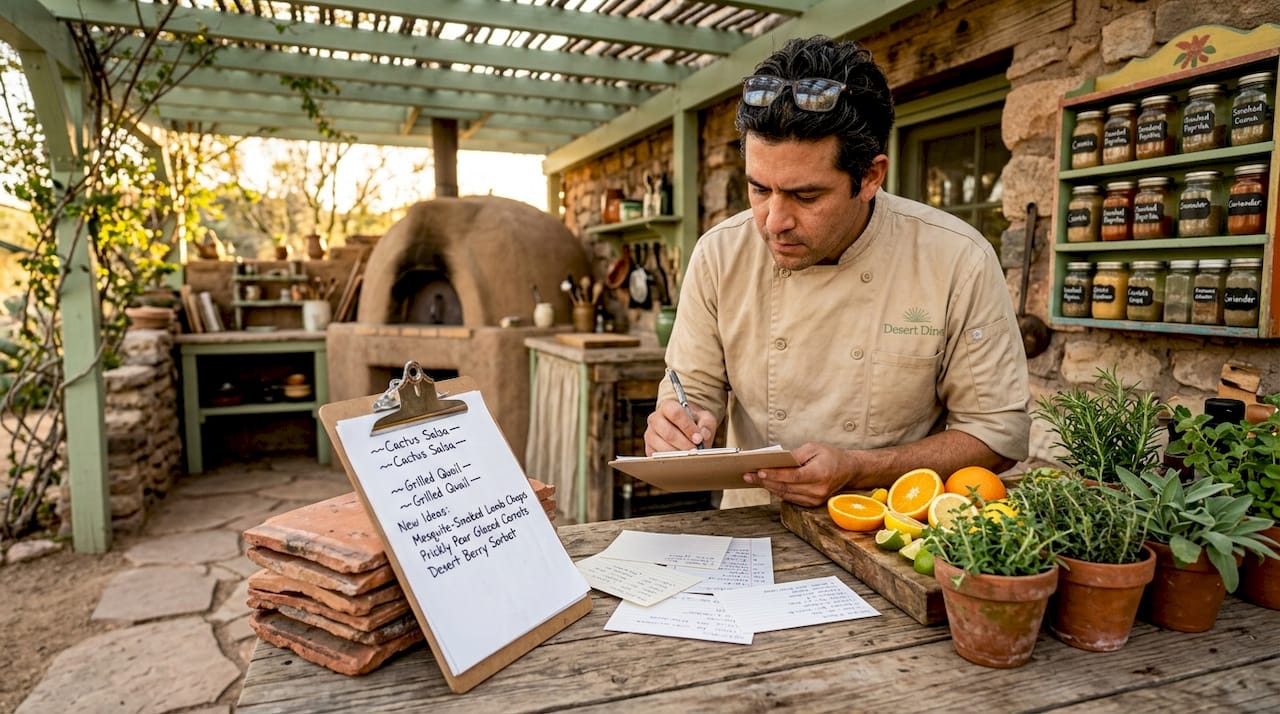
When building menu options for business events, consider adding a “signature touch” to each proposal. This could be a custom cocktail named for the company, a locally inspired dessert station, or a chef’s table experience. These details make proposals memorable and show that you listened.
Present catering options with confidence and clarity
With proposals prepared, the moment of presenting ensures your client feels heard, inspired, and confident in their choices. How you present is just as important as what you present.
Start with a tasting. Inviting clients to experience the food firsthand removes uncertainty and creates genuine excitement. There is no substitute for tasting a perfectly seared duck breast or a delicate citrus tart made with local ingredients.
“Menu tastings and consultations are offered to finalize selections, with emphasis on presentation, seasonal ingredients, and flawless execution for weddings and corporate events.”
Beyond the tasting itself, consider these presentation strategies:
- Use mood boards and photography. Show clients how each menu setup will look in their specific venue. Images of table arrangements, plating styles, and serving stations help clients visualize the full experience.
- Bring display pieces. If possible, set up a small physical display of your tableware, linens, and serving vessels. Clients who can touch and see the actual items feel more confident in their selections.
- Walk through each menu option methodically. Explain the inspiration behind each dish, the sourcing of key ingredients, and how each course connects to the event’s overall tone.
- Invite feedback actively. Ask questions like “Does this feel aligned with your vision?” or “Is there a flavor profile you’d like to explore further?” This keeps the conversation collaborative rather than one-directional.
Pro Tip: Bring printed menu cards to your tasting presentation. Clients love having something tangible to hold and share with their partner, planner, or executive team. It also reinforces your professionalism and attention to detail.
For wedding catering consultations especially, the presentation meeting is an emotional experience. Couples are imagining their wedding day as you speak. Acknowledge that. Speak to the moments you will help create, not just the food you will serve.
A comparison of presentation approaches can help you decide which format suits different client types:
| Presentation method | Ideal client type | Key benefit |
|---|---|---|
| In-person tasting | Weddings, high-budget private events | Builds emotional connection and trust |
| Virtual proposal walkthrough | Out-of-town corporate clients | Convenient, efficient, professional |
| Printed proposal with mood board | All client types | Tangible, shareable, memorable |
| Interactive food station preview | Large corporate or social events | Demonstrates variety and execution |
The goal of every presentation is to leave the client feeling that you understand their vision completely and that you are the only team capable of bringing it to life.
Confirm agreements and ensure flawless execution
Once a client selects their preferred options, it is all about making commitments clear and delivering a flawless event. Verbal enthusiasm is wonderful, but written agreements protect everyone and set the stage for a smooth event day.
Follow these steps to lock in the details and prepare for seamless execution:
- Issue a written contract promptly. The contract should recap every agreed menu item, service style, staffing levels, setup and breakdown times, and any special requests discussed during the presentation.
- Request a deposit to secure the date. As noted in professional catering standards, deposits of 25 to 50 percent are standard practice. This confirms the client’s commitment and covers your initial preparation costs.
- Confirm final guest counts. Set a deadline, typically two weeks before the event, for the client to provide their final headcount. This allows you to order accurately and staff appropriately.
- Review dietary adjustments one final time. Cross-check the confirmed guest list against dietary restrictions. Even one missed allergy can create a serious problem on event day.
- Schedule a final walkthrough or pre-event call. Go through the timeline together, confirm logistics, and address any last-minute questions. This step alone dramatically reduces day-of surprises.
Key items to double-check before event day:
- Venue access times for setup and breakdown
- Confirmed parking and loading dock arrangements
- Equipment rentals confirmed and delivered
- Staffing schedule finalized and briefed
- Backup plans for weather if the event is outdoors
- Contact list for venue coordinator, event planner, and client
Flawless execution is not accidental. It is the result of meticulous preparation, clear communication, and a team that knows exactly what is expected of them. In the Palm Springs desert, where outdoor events are common and temperatures can shift dramatically, this level of preparation is especially critical.
What most hosts overlook when presenting catering options
Stepping back from logistics, it is worth reflecting on deeper lessons from years of catering in the Palm Springs area. Most guides focus on the mechanics: proposals, tastings, contracts. What they miss is the human layer that separates a good catering experience from an extraordinary one.
Here is the uncomfortable truth: many catering presentations fail not because the food is poor, but because the client never felt truly seen. They sat through a polished pitch, saw beautiful photos, and tasted excellent food, but left the meeting feeling like they were just another booking on the calendar.
The caterers who earn repeat clients and enthusiastic referrals are the ones who invest in what we call anticipation management. This means proactively communicating what comes next at every stage, checking in between the proposal and the event, and following up after the event with genuine care rather than just a survey link.
Storytelling is another underused tool. When you present a menu, do not just list ingredients. Tell the story of the dish. Explain that the dates in the salad come from a farm twenty minutes away in Thermal, or that the lamb preparation was inspired by a traditional Moroccan technique adapted for the desert climate. These details create emotional resonance. Guests remember stories long after they forget the flavor.
We have also learned that investing upfront in tastings, customized visuals, and open feedback loops earns trust that translates directly into bookings. Clients who feel heard during the proposal process rarely shop around. They have already decided you are the right partner.
Finally, aftercare matters more than most people realize. A brief personal note after the event, a photo of a beautifully plated dish from their celebration, or a simple “thank you for trusting us with your event” message creates goodwill that no marketing budget can buy. Our specialty chef services are built around this philosophy because we believe the relationship does not end when the last plate is cleared.
Make your next event unforgettable with expert catering
Ready to put these strategies into practice? The right partner can make all the difference between a good event and one that guests talk about for years.
At Desert Dine, we specialize in creating bespoke catering experiences for weddings, private parties, and corporate gatherings across the Greater Palm Springs area. Our expert chefs and event coordinators guide you through every step, from your first discovery call to the final course. We curate menus that reflect your vision, source the finest local ingredients, and deliver seamless execution that lets you enjoy your event alongside your guests. Explore our Desert Dine catering solutions and get an instant quote today. Let us help you create a celebration for the senses that your guests will never forget.
Frequently asked questions
How can I help clients choose between formal and casual catering setups?
Discuss the event’s tone and goals, then recommend service styles based on the atmosphere the client wants to create. Formal plated dinners suit high-stakes corporate dinners and elegant weddings, while casual stations work beautifully for relaxed receptions and networking events.
What details must be included in a professional catering proposal?
A proposal should cover the full menu, itemized pricing and staffing, service flow, dietary accommodations, and payment terms including deposit requirements and guest count guarantee deadlines.
Is offering menu tastings necessary when presenting options?
Yes, tastings are one of the most effective ways to build client confidence and finalize menu choices. Tastings and consultations allow clients to experience your culinary quality firsthand and make decisions with certainty rather than guesswork.
What deposit is standard for catering agreements?
A deposit of 25 to 50 percent is standard practice in professional catering agreements. This secures the date, confirms the client’s commitment, and covers early preparation and procurement costs.


