


Choosing catering linens and tableware rentals is the single most visible decision you make for any event’s table presentation. The right fabric, size, and tableware combination creates a polished, cohesive look that guests notice immediately. Get it wrong and you face setup delays, awkward photos, and a visual disconnect between your food and your setting. This guide covers the exact criteria event organizers need: fabric types, sizing rules, tableware pairing, and logistics planning, so every table looks intentional and every rental order runs without surprises.
What fabrics are best for catering linen selection?
Polyester is the industry standard fabric for high-volume event linens. Polyester’s durability and wrinkle resistance make it the default choice for mid-market events, conferences, and outdoor catering. It holds its shape through multiple setups, launders quickly, and costs less per use than natural fibers. That combination makes it the practical anchor of any rental inventory.
Cotton and cotton blends serve a different purpose. These fabrics carry a natural texture and subtle sheen that polyester cannot replicate. Luxury venues, weddings, and farm-to-table catering events benefit from cotton because the material reinforces the premium feel of the setting. The tradeoff is that cotton wrinkles more easily and requires more careful handling during setup.
Specialty fabrics like velvet, satin, and linen weaves add visual drama but come with real operational costs. Delicate fabrics like velvet require more care and longer setup times compared to polyester. If your event has a fast turnaround between ceremony and reception, velvet is a liability. Reserve specialty fabrics for head tables, accent pieces, or low-traffic display areas where handling is minimal.
Here is a quick breakdown of the most common catering linen fabrics and their best uses:
- Polyester: Best for high-volume events, outdoor settings, and any event with multiple table resets. Durable, wrinkle-resistant, and widely available in rental inventories.
- Cotton and cotton blends: Best for luxury dinners, weddings, and farm-to-table events. Natural texture elevates food presentation but requires careful pressing.
- Satin: Best for head tables and gala settings. High visual impact but prone to snags and requires gentle handling.
- Velvet: Best as an accent fabric for cocktail tables or display stations. Adds richness but slows setup significantly.
- Linen weave: Best for rustic, organic, or outdoor garden events. Pairs naturally with wooden chargers and matte ceramic tableware.
Pro Tip: Always request a written shrinkage tolerance of ≤2% from your supplier before confirming any linen order. A fabric that shrinks beyond that threshold will not fit your tables correctly after the first wash, which creates fitting problems mid-event.
How do you measure and size table linens correctly?
Incorrect sizing is the most frequent costly error in linen procurement. A tablecloth that is two inches too short looks sloppy in photos and signals poor planning to guests. Getting the measurement right requires knowing your exact table dimensions, not just the table’s nominal size.
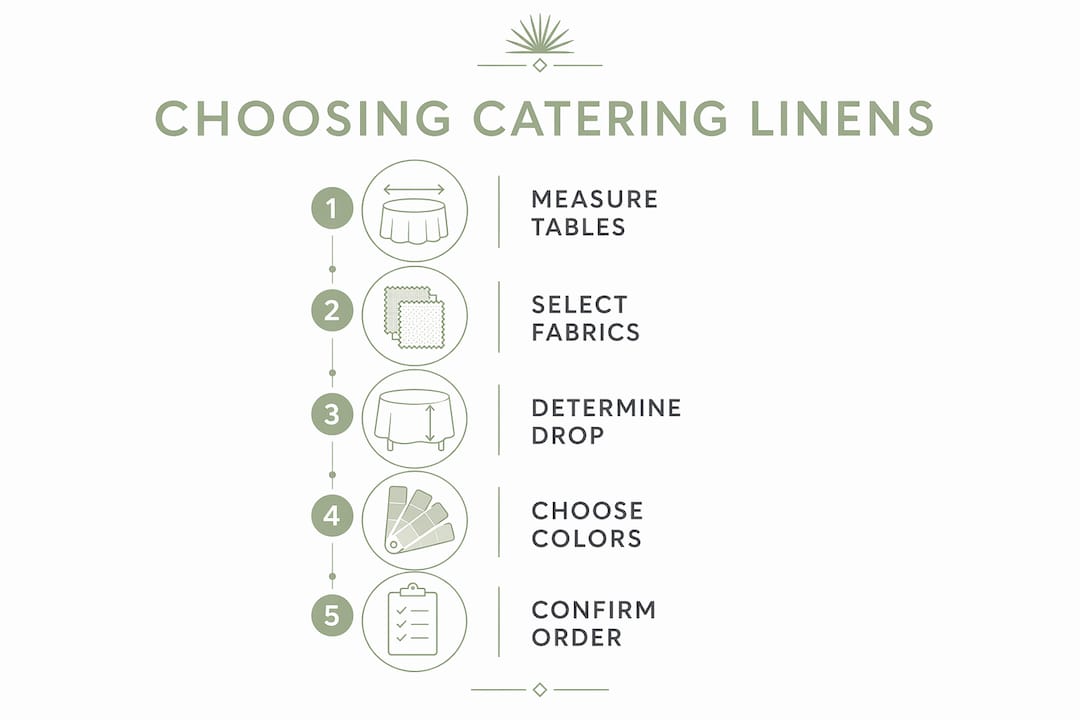
Follow these steps to size your linens accurately:
- Measure the actual table surface. Get the exact length, width, and height of each table from your venue or rental company. Do not rely on standard size labels like “60-inch round” without confirming the actual measurement.
- Decide on your drop length. The drop is how far the tablecloth hangs below the table edge. A 6–8 inch drop reads as casual. A 15-inch drop suits formal dinners. A floor-length drop at 30 inches is standard for buffet and display tables where you want to hide equipment underneath.
- Calculate your linen size. Add twice the drop length to both the table length and width. For a 30-by-72-inch rectangular table with a 15-inch drop, you need a 60-by-102-inch tablecloth.
- Order consistent drop lengths across all guest tables. Inconsistent drop lengths are visually jarring and appear clearly in event photos. Even a small difference between tables creates a disorganized look that undermines the entire setup.
- Add a 5–10% surplus to your total order. Spills, last-minute table additions, and damage during setup happen at every event. A buffer order prevents scrambling.
Pro Tip: Send your supplier a written table dimensions sheet that lists every table type, its exact measurements, and the drop length you want. This single step eliminates the most common source of sizing errors and cuts setup time significantly.
What tableware rental options complement your linens?
Tableware rental contributes to cohesive visual storytelling, and the best results come from selecting pieces that support the venue atmosphere rather than compete with it. The core tableware categories you need to plan for are dinner plates, salad plates, chargers, flatware, glassware, and napkins. Each element either reinforces or disrupts the overall table design.
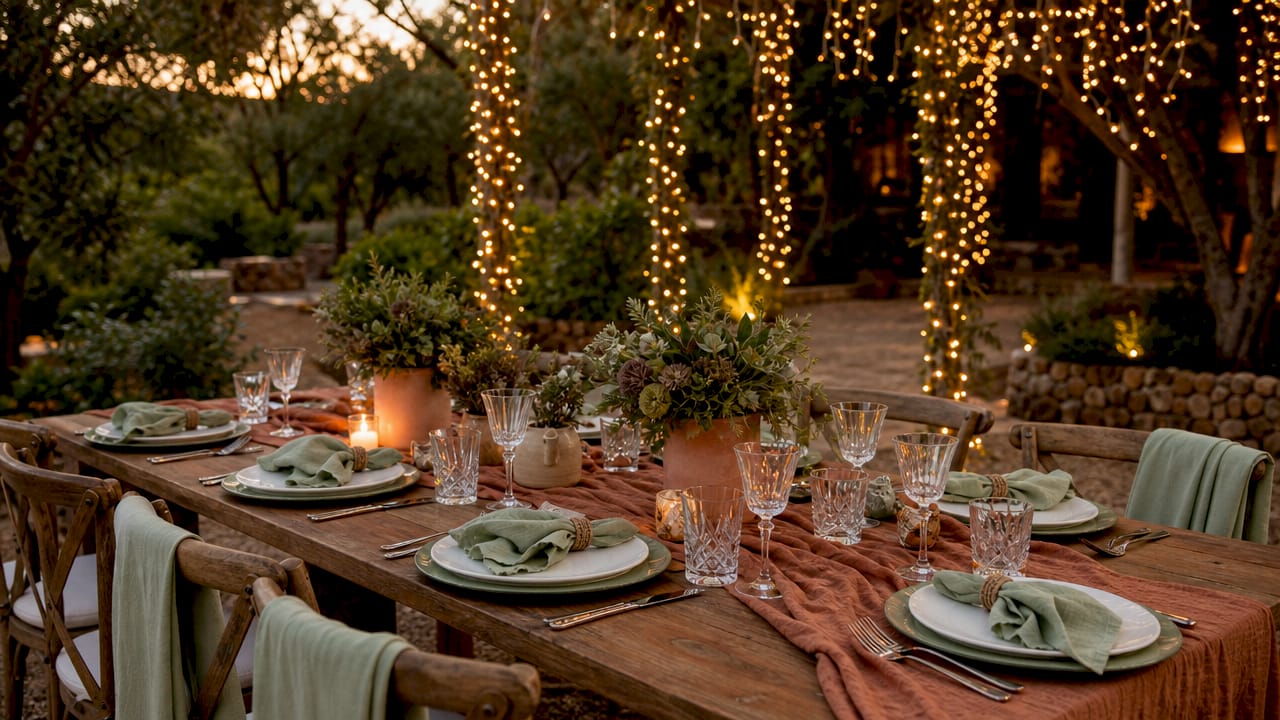
Texture in linens acts as a garnish for the overall table design. A linen with a subtle woven texture pairs naturally with matte ceramic plates and brushed gold flatware. A crisp white polyester cloth works best with polished silver flatware and clear crystal glassware. The goal is contrast that feels intentional, not accidental.
The table below shows proven pairings for common event types:
| Event type | Linen choice | Tableware pairing |
|---|---|---|
| Formal wedding reception | White or ivory cotton | Gold chargers, bone china, crystal glassware |
| Farm-to-table dinner | Natural linen weave | Wooden chargers, matte ceramic plates, matte black flatware |
| Corporate gala | White polyester | Silver chargers, white porcelain, polished silver flatware |
| Outdoor garden party | Soft blush cotton blend | Rattan chargers, pastel ceramic plates, rose gold flatware |
| Casual rehearsal dinner | Textured polyester | Simple white plates, stainless flatware, clear glassware |
Additional tableware considerations worth noting:
- Chargers: These set the visual foundation before the first course arrives. Choose a charger finish that anchors the color palette without overpowering the plate.
- Flatware finish: Matte finishes photograph better under warm lighting. Polished finishes work well in bright, naturally lit spaces.
- Glassware: Tall stemware adds vertical elegance. Shorter, wider glasses suit casual or outdoor settings where wind is a factor.
- Specialty décor: Candle holders, menu card stands, and bud vases should match the metal finish of your flatware for a unified look.
For high-end catering presentations, the integrated place setting from charger to napkin fold directs the guest’s experience from the moment they sit down.
How do you plan linen and tableware logistics for a full event?
Most event planners account for guest tables and forget everything else. Buffet stations, bar tops, cocktail tables, gift tables, and service stations all need linens and tableware. Non-guest spaces require dedicated linens and tableware distinct from guest dining, and overlooking them creates visible gaps in your setup.
Bundling your linen and tableware order with your tables and chairs rental is the most efficient approach. Minimum delivery fees for event rentals often start around $70, and placing separate orders for linens, tableware, and furniture multiplies both fees and coordination complexity. One consolidated order from a single vendor simplifies delivery, setup, and pickup.
Use this checklist before finalizing any rental order:
- Confirm final guest count and floor plan with your venue at least two weeks before the event.
- List every table type in the venue, including buffet, bar, gift, cake, and DJ tables.
- Calculate linen quantities for all tables, not just guest dining tables.
- Add service linens for back-of-house areas, including tea towels, prep table covers, and bar rail covers.
- Build in a 5–10% surplus for all linen and tableware categories.
- Confirm delivery window, setup time, and pickup schedule with your rental vendor in writing.
“The biggest mistakes event planners make with linens revolve around sizing errors and poor planning for non-guest areas.” — Banquet & Table Linen Procurement Guide
For a full overview of cost structures and what to expect from rental coordination, the event catering breakdown at Desertdine covers the financial side in detail. If your event is a wedding, pairing your linen palette with your menu theme is covered in the wedding catering pairing guide as well.
Key Takeaways
Successful catering linen and tableware rental requires matching fabric performance to event type, sizing every table precisely, pairing tableware finishes with linen texture, and planning for every table in the venue, not just guest dining tables.
| Point | Details |
|---|---|
| Polyester is the performance standard | Choose polyester for high-volume events; request a written shrinkage tolerance of ≤2%. |
| Sizing errors are the costliest mistake | Measure every table exactly and specify drop length in writing to your supplier. |
| Tableware and linens must work together | Match charger finish, flatware, and glassware to your linen texture and event theme. |
| Plan beyond guest tables | Account for buffet, bar, and service station linens in every order. |
| Bundle orders to control costs | Consolidating linens, tableware, and furniture with one vendor reduces delivery fees. |
What I’ve learned from watching linen choices make or break an event
The detail that surprises most planners is how much fabric choice affects the pace of setup. I have watched crews spend 40 extra minutes pressing cotton tablecloths that arrived slightly damp from a laundry service, while a polyester order for the same number of tables was dressed and ready in under 20 minutes. That time difference matters enormously when your venue window is tight.
The second lesson is about cohesion. Planners often focus on the centerpiece and forget that the tablecloth is the largest single visual element on any table. A mismatched linen color pulls the eye away from the food and the florals. When the linen, charger, and flatware all speak the same visual language, the food becomes the star. That is exactly what a well-designed table should do.
The third lesson is about vendor communication. Sending a written dimensions sheet and a written shrinkage tolerance request feels like extra work. In practice, it eliminates the two most common problems I see at events: linens that do not fit and linens that look different from what was ordered. Write it down, send it early, and confirm receipt.
— James
Desertdine brings expert rental coordination to your event
Planning a polished event in the Greater Palm Springs area or Temecula means coordinating dozens of details at once. Desertdine handles the full picture, from chef-led menus built around locally sourced ingredients to professional guidance on table presentation that makes every setting feel intentional.
Whether you are planning a wedding reception, a corporate dinner, or a private celebration, Desertdine’s team coordinates catering and event presentation so your tables look as good as the food tastes. Explore full-service wedding catering options or get started with Temecula catering services tailored to your event’s scale and style. Ready to lock in your date? Book your event and get a personalized quote from the Desertdine team today.
FAQ
What is the best fabric for event table linens?
Polyester is the best fabric for most event table linens because of its durability, wrinkle resistance, and low maintenance. Cotton and cotton blends are the better choice for luxury or farm-to-table events where natural texture matters.
How much drop length should a tablecloth have?
A 6–8 inch drop suits casual events, a 15-inch drop works for formal dinners, and a floor-length 30-inch drop is standard for buffet and display tables. Consistent drop lengths across all guest tables are critical for a polished look in photos.
Should I rent or buy catering linens for my event?
Rental works well for one-time events with standard sizing and color needs. Repeated or branded events benefit from purchasing or custom ordering linens, since rental inventory limits color, size, and availability.
What tableware pieces do I need to rent for a full place setting?
A complete place setting requires a charger, dinner plate, salad plate, flatware set, and glassware. Napkins, menu card holders, and specialty décor pieces complete the look and should match the metal finish of the flatware.
How far in advance should I finalize my linen and tableware rental order?
Finalize your guest count and floor plan at least two weeks before the event, then confirm your full rental order immediately after. Ordering early secures your preferred colors and sizes before rental inventory is claimed by other events.
Recommended
- Desert Dine Catering |How to Choose A Caterer For An Event - What to Know• Palm Springs & Coachella Valley
- Desert Dine Catering |How to Pair Catering with Your Wedding Theme• Palm Springs & Coachella Valley
- Desert Dine Catering |What Is Catering Kitchen Rental? Your Practical Guide• Palm Springs & Coachella Valley
- Desert Dine Catering |How to Select Catering for Your Micro Wedding• Palm Springs & Coachella Valley


